Indoor playgrounds are more than just fun spaces filled with colorful slides, climbing walls, and ball pits; they play a pivotal role in nurturing children’s social skills and emotional well-being. These environments are carefully designed to encourage interaction, cooperation, and self-expression, all of which contribute to children’s holistic development.
Encouraging Social Interaction
Indoor play areas provide opportunities for kids to meet peers from different backgrounds. Through shared activities, they learn how to:
– Take turns during games or while using equipment.
– Share toys and space appropriately.
– Solve conflicts through communication rather than frustration.
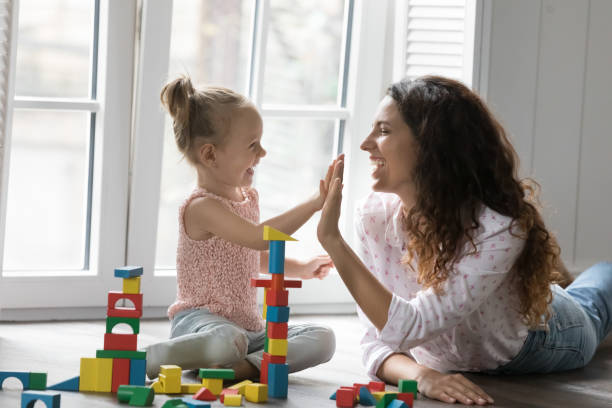
For instance, when waiting for their turn on a slide or working together to build a tower out of blocks, children naturally engage in behaviors that improve their ability to interact positively with others.
Developing Teamwork Skills
Many indoor playgrounds include group-oriented activities or areas that require collaboration. Structures like obstacle courses or interactive games challenge kids to work together toward a common goal. This fosters teamwork by teaching them how to:
– Listen actively to others’ ideas.
– Divide tasks equitably among team members.
– Celebrate shared successes as a group.
Such experiences often result in stronger friendships and better interpersonal skills over time.
Building Emotional Resilience
When children navigate challenges in an indoor play setting—such as climbing a difficult rope wall or completing an unfamiliar activity—they develop emotional resilience. They learn how to:
– Cope with setbacks when things don’t go as planned.
– Manage feelings of frustration or nervousness in high-energy settings.
– Celebrate personal achievements, boosting their self-esteem.
This ability to confront minor fears and frustrations within a safe environment helps children build confidence in facing real-world challenges outside the playground.
Practicing Empathy Through Role Play Activities
Indoor playgrounds often feature imaginative play zones such as kitchens, workshops, or castles where kids can role-play various scenarios. Engaging in pretend play allows them to:
– Put themselves in someone else’s shoes (e.g., pretending to be a chef taking orders).
– Practice supporting peers during make-believe storytelling activities.
Role-playing also introduces basic concepts of empathy by encouraging them to understand different perspectives—a critical aspect of emotional growth.
Table: Key Benefits of Indoor Playgrounds for Social and Emotional Development
| Aspect | Benefit |
| Social Interaction | Learning turn-taking, sharing toys/space |
| Teamwork | Strengthening collaborative problem-solving skills |
| Emotional Resilience | Coping with setbacks; overcoming fears |
| Empathy | Understanding others’ perspectives through imaginative role-play |
A Safe Space for Diverse Interactions
Finally, indoor playgrounds offer a controlled yet dynamic space where children can safely explore relationships with others under adult supervision. The diversity of age groups that often frequent these centers also allows younger children the chance to observe older ones interacting—a natural way for them to model positive social behaviors.
By fostering meaningful interactions within structured but flexible environments, indoor playgrounds not only support recreational fun but also lay the groundwork for essential lifelong social and emotional competencies that benefit kids well into adulthood.
How Indoor Playground Arlington TX Benefits Child Development
Indoor playgrounds play a pivotal role in the overall development of children, offering dynamic spaces where they can engage in physical, cognitive, and emotional growth. These play centers are more than just places for fun—they provide structured environments for skill-building that can have long-term benefits for young minds and bodies.
Fun and Active Kids Birthday Party Venue in Arlington TX
- Gross motor skills: Activities like climbing walls or slides enhance large muscle groups, improving balance and coordination.
- Fine motor skills: Manipulating smaller objects such as building blocks or engaging with interactive play panels sharpens hand-eye coordination.
- Strength and endurance: Continuous movement during free play helps build strength and resilience.
According to pediatric experts, regular physical activity also reduces the risk of childhood obesity and promotes better sleep patterns.
Boost Cognitive Skills at Arlington Kids Play Center
- Improved concentration: Navigating through sensory-rich activities helps kids focus on tasks for longer durations.
- Problem-solving abilities: Figuring out how to complete obstacle courses or assemble a puzzle fosters analytical thinking.
- Spatial awareness: Interacting with multi-dimensional setups helps children understand spatial relationships and movement.
Some indoor playgrounds even integrate STEM-based play areas to expose children to science, technology, engineering, and math concepts early on.
Emotional Growth
- Boosting self-confidence as kids master new challenges.
- Teaching resilience when they encounter obstacles or fail an initial attempt at an activity.
- Encouraging self-expression through creative activities like drawing stations or interactive storytelling zones.
Social Interaction Benefits
| Skill | How It’s Developed |
| Sharing | Taking turns with equipment like swings or slides |
| Communication | Expressing ideas during team-based challenges |
| Conflict resolution | Learning to negotiate when disagreements arise |
These interactions form the foundation for strong interpersonal relationships later in life.
Safe Play Environment
Unlike outdoor settings that may be influenced by weather conditions or safety hazards, indoor playgrounds offer controlled environments tailored specifically for young children. Features such as padded flooring reduce injury risks while climate-controlled settings ensure year-round access regardless of external conditions.
Parents can feel confident knowing these spaces prioritize child safety while nurturing development across multiple dimensions—physical health, cognitive abilities, social interaction skills, and emotional well-being—all under one roof.
Indoor playgrounds are more than just recreational venues; they act as catalysts for well-rounded child development while providing joyful experiences that young ones cherish deeply.
The Role of Group Play in Teamwork
- Shared Goals: Many indoor playgrounds feature activities like obstacle courses, maze challenges, or group games that require children to work together to reach a common goal.
- Problem-Solving Together: Activities such as building blocks or interactive puzzle stations encourage kids to brainstorm collaboratively.
- Learning Roles: Children learn to take on different roles—leader, supporter, or mediator—within a team setting. Each role contributes to the success of the group effort.
Key Indoor Playground Activities That Encourage Collaboration
Certain play structures and planned experiences are particularly effective at teaching cooperation: – Climbing Walls with Multiple Paths
– Kids can strategize on how to complete the wall together or assist one another in finding easier routes. – Interactive Ball Pits
– Games like “ball relay races” foster communication as teams pass balls from one player to another toward a shared objective. – Multi-Person Slides
– These slides often encourage children to take turns deciding who goes first while respecting others’ decisions.

| Activity Type | Skills Developed |
| Obstacle Courses | Problem-solving, Coordination |
| Group Puzzle Stations | Communication, Analytical Thinking |
| Multi-player Arcade Games | Cooperation, Goal-Sharing |
Social Benefits of Collaborative Play
When children engage in teamwork-oriented activities at indoor playgrounds, they gain more than just physical benefits—they also develop interpersonal abilities that will assist them throughout life. Some notable benefits include: 1. Conflict Resolution Skills: Group challenges teach kids how to resolve disagreements effectively when conflicts arise during gameplay. 2. Empathy Development: Understanding teammates’ perspectives strengthens emotional awareness. 3. Enhanced Communication Abilities: Children practice expressing their ideas clearly while listening actively.
Parental Involvement for Encouraging Teamwork
Parents play an important role in guiding their children’s collaborative play experiences: – Encourage participation in group games by highlighting the fun of teamwork. – Model positive behavior by interacting respectfully with other parents or joining family-friendly team challenges. – Praise efforts rather than results: Focus on acknowledging good communication and cooperation instead of winning outcomes.
Indoor playgrounds are more than entertainment spaces—they’re places where teamwork skills are built through dynamic, hands-on experiences. Through carefully designed play activities encouraging collaboration, children not only have fun but also grow into better communicators and effective team players.
How Indoor Playgrounds Boost Communication and Interpersonal Abilities
Indoor playgrounds provide dynamic environments where children can develop vital communication and interpersonal abilities. These play centers are designed to encourage interaction, teamwork, and the sharing of ideas, all of which contribute to a child’s social development. Here is an exploration of how indoor playgrounds foster these critical skills.
Opportunities for Collaborative Play
- Obstacle Courses: Kids often need to guide or assist each other through challenges.
- Building Zones: Activities like block-building or constructing forts require sharing tools and ideas.
- Role-playing Games: Pretend-play areas like mini-markets or kitchens allow children to negotiate roles and collaborate on shared tasks.
By participating in these activities, children practice communication techniques such as asking questions, offering suggestions, and resolving disagreements respectfully.
Peer-to-Peer Learning
- Children observe how others approach problem-solving tasks.
- Non-verbal cues like gestures or facial expressions are learned naturally during group play.
- Kids get exposed to different languages, accents, or phrases that enrich their vocabulary.
This kind of experiential learning strengthens communication skills while fostering an appreciation for diverse perspectives.
Conflict Resolution Skills
- Children learn empathy by understanding another’s point of view.
- They practice negotiating solutions that satisfy all parties involved.
- Apologizing after disputes becomes a natural part of their interactions.
Such experiences prepare kids for real-world interpersonal situations where effective conflict resolution is essential.
Encouragement of Group Discussions
- Taking turns speaking.
- Maintaining eye contact.
- Responding appropriately to others’ comments or questions.
These conversational habits are fundamental building blocks for effective communication as they grow older.
Table: Communication Skills Developed at Indoor Playgrounds
| Activity Type | Communication Skill Fostered | Example Activity |
| Collaborative Games | Verbal interaction; active listening | Team puzzles |
| Role-playing Scenarios | Negotiation; imaginative dialogue | Pretend supermarket |
| Group Projects | Explaining thoughts; teamwork | Building structures with blocks |
| Conflict Mediation | Empathy; problem-solving | Sharing limited resources |
Building Confidence Through Interaction
When children successfully communicate their needs or work collaboratively with peers at an indoor playground, it boosts their confidence significantly. The positive reinforcement they receive from peers and adults for their efforts encourages further engagement in social settings.
In summary, indoor playgrounds provide a platform for children to practice essential communication skills in an enjoyable setting where peer interactions thrive naturally. They nurture both verbal expression and non-verbal cues while promoting teamwork and empathy through shared activities.
Cultivating Empathy and Emotional Awareness Through Group Play Experiences
Indoor playgrounds serve as an excellent environment for nurturing a child’s emotional intelligence and empathy. By interacting with peers in a shared, structured, and safe space, children can develop core emotional and social competencies through group play experiences. These settings encourage kids to recognize and respond to others’ needs, practice kindness, and refine their own emotional awareness.
Opportunities for Building Empathy in Group Play
- Role-Playing Games: Pretend play scenarios like running a pretend store or being part of an imaginary family encourage kids to step into someone else’s shoes.
- Collaborative Projects: Activities such as building block structures or completing puzzles as a team help children realize the importance of working together.
- Conflict Resolution Practice: Disagreements during play give kids the chance to navigate emotions like frustration or anger while learning how to resolve them constructively.
These experiences are essential for fostering empathy, as children begin to notice how their actions affect those around them.
Enhancing Emotional Awareness Through Play
- Turn-Taking Games: Activities like board games or waiting in line for equipment teach patience and self-regulation.
- Emotion-Focused Interaction: Many modern play centers have storytelling sessions or drama corners where children are encouraged to talk about feelings or act out different emotions.
- Celebrating Success Together: Whether it’s reaching the top of a climbing wall or solving a tricky task together, shared achievements help children associate positive emotions with group effort.
Table: Emotional Skills Enhanced by Group Play Activities
| Emotional Skill | How It Develops During Group Play |
| Empathy | Recognizing others’ feelings during role-play or shared tasks |
| Patience | Practiced through turn-taking activities |
| Conflict Management | Learned by resolving disputes during cooperative play |
| Emotional Expression | Encouraged by storytelling or sharing successes |
Why Indoor Playgrounds Are Ideal Spaces for Emotional Growth
- Safe Environment: Indoor spaces are designed to ensure no child feels left out or unsafe.
- Variety of Activities: With options from creative games to physical challenges, every child finds something they enjoy while learning key life skills.
- Diverse Interactions: Kids come from various backgrounds, enabling exposure to different perspectives.
By fostering empathy and developing emotional awareness through thoughtfully designed group experiences, indoor playgrounds become more than just fun spaces—they offer valuable lessons that extend far beyond childhood years.
Benefits of Indoor Playgrounds for Building Confidence and Peer Relationships
Indoor playgrounds provide children with an engaging and supportive environment to grow essential life skills, such as self-confidence and the ability to form positive relationships with peers. Here are some of the key benefits that make indoor play spaces instrumental in fostering confidence and social interactions.

1. Encouraging Self-Confidence Through Exploration
Indoor playgrounds are designed to spark curiosity and encourage children to challenge themselves by trying new activities. Whether it’s climbing a wall, navigating an obstacle course, or sliding down a tall slide, these experiences help children build confidence in their abilities.
- Safe Challenges: The supervised and controlled environment ensures kids feel safe while stepping out of their comfort zones.
- Problem-Solving Skills: Tackling different play structures allows kids to develop problem-solving strategies, which enhances their self-assurance.
| Activity | Confidence-Building Aspect |
| Climbing walls | Overcoming fear of heights |
| Puzzle-based games | Strengthening decision-making skills |
| Group activities | Building trust in group dynamics |
2. Developing Peer Relationships Through Interaction
- Group Activities: Certain features such as ball pits or playhouses naturally attract groups of kids working together or sharing space harmoniously.
- Conflict Resolution: Disagreements during play give kids opportunities to practice resolving conflicts respectfully.
- Inclusivity: Indoor playgrounds bring together children from diverse backgrounds, allowing them to understand different perspectives.
A well-designed indoor playground encourages these interactions with features like cooperative games (e.g., team-building puzzles) or shared equipment (e.g., multi-kid slides).
3. Boosting Emotional Resilience
- Learning how to deal with minor setbacks (e.g., waiting their turn or losing a game) helps them manage emotions effectively.
- Celebrating small victories instills a sense of accomplishment.
These moments build emotional resilience that translates into better peer relationships over time.
4. Promoting Leadership Skills
- Children take turns leading games or guiding others through play structures.
- These interactions help develop leadership qualities such as decision-making, empathy, and the ability to inspire collaboration.
By participating actively in group play scenarios, kids learn how to guide others while also respecting the contributions of their peers — both crucial aspects of strong social relationships.
Tips for Maximizing Confidence-Building Opportunities at Indoor Playgrounds
- Encourage participation in group activities rather than isolated play.
- Use positive reinforcement when your child attempts challenging tasks.
- Allow your child space for independent exploration while being available for reassurance if needed.
- Facilitate introductions if your child is shy; helping them engage with peers fosters relationship-building skills.
By supporting your child’s growth within these dynamic spaces, you’re helping lay the foundation for self-confidence and meaningful peer connections that extend far beyond the walls of an indoor playground.
Why Indoor Playgrounds Are the Perfect Choice for Memorable Birthday Parties
When it comes to planning a child’s birthday party, parents often seek a venue that combines fun, safety, and convenience. Indoor playgrounds have become increasingly popular as the ultimate choice for creating unforgettable birthday experiences. These thoughtfully designed spaces provide a host of benefits that cater to both children and parents.
Engaging Activities for All Ages
- Toddler zones: Soft play structures and sensory activities designed specifically for younger children.
- Obstacle courses: Challenging physical activities for older kids to climb, jump, and explore.
- Interactive games: Arcade-style games or interactive digital play areas.
- Themed rooms: Spaces that offer popular themes like jungle adventures or space exploration.
This wide variety of entertainment options keeps children engaged while promoting physical activity in a safe environment.
Stress-Free Party Planning for Parents
- Venue setup and cleanup
- Decorations based on chosen themes
- Catering options like pizza, snacks, and beverages
- Dedicated staff to oversee activities and ensure safety
These services allow parents to enjoy their child’s special day without worrying about logistics or post-party cleanup.
Safe and Controlled Environment
| Safety Features | Benefits |
| Soft surfaces & padded flooring | Minimizes the risk of injuries |
| Enclosed spaces | Prevents kids from wandering off |
| Supervised play areas | Ensures professional monitoring |
This controlled environment allows parents to relax while their kids engage in active, carefree play.
Opportunities for Social Interaction
- Build teamwork skills
- Foster friendships with classmates or new acquaintances
- Enhance communication abilities through shared play
These social connections leave lasting memories long after the party ends.
Weather-Proof Fun
One significant advantage of indoor playgrounds is their ability to host celebrations year-round regardless of external weather conditions. Rainy days or extreme heat won’t impact the festivities, ensuring that your child’s birthday remains uninterrupted by external factors.
Choosing an indoor playground as a birthday venue guarantees entertainment, safety, and convenience—all under one roof. From interactive play zones to dedicated staff support, these facilities handle every aspect of the celebration seamlessly while ensuring an unforgettable experience for your child and their guests.
- Best Kids Birthday Party Venue Arlington TX: Stages of Play Explained
- How a Kids Indoor Playground Arlington TX Supports Child Development
- How a Kids Indoor Playground Arlington TX Helps Foster Social Skills and Emotional Growth
- Fun Ways to Boost Social Skills at a Kids Indoor Playground Arlington TX
- Find the Perfect Kids Birthday Party Venue in Arlington TX for Fun and Growth
- Discover the Best Kids Birthday Party Venue Arlington TX for Fun and Play
- How an Indoor Playground Arlington TX Supports Early Childhood Development and Growth
- How Kids Indoor Playground Arlington TX Helps Foster Physical, Social, and Cognitive Development in Children
- The Best Kids Birthday Party Venue Arlington TX: Combining Fun and Childhood Development