
Play is a fundamental aspect of childhood that contributes immensely to a child’s physical, cognitive, emotional, and social development. Through play, children build essential skills they carry forward into adulthood. It offers more than just entertainment—it’s a crucial part of their growth journey.
Cognitive Benefits of Play
- Problem-Solving Skills: Structured play challenges kids to think critically and find solutions. For example, puzzles or building blocks encourage logical thinking and spatial awareness.
- Creativity: Open-ended activities like drawing or storytelling help kids develop imagination and innovative thinking.
- Language Development: When children engage in role-playing or group games, they naturally enhance their vocabulary and communication skills.
Physical Benefits of Play
- Gross Motor Skills: Activities like running, jumping, climbing, or playing ball improve coordination, balance, and overall motor skills.
- Fine Motor Skills: Tasks such as crafting or assembling small objects refine hand-eye coordination and dexterity.
- Health Benefits: Active play promotes cardiovascular health while helping to establish healthy exercise habits for life.
| Type of Activity | Skill Developed | Examples |
| Running & Jumping | Gross Motor Skills | Tag games, obstacle courses |
| Puzzles & Blocks | Problem-Solving & Fine Motor Skills | Jigsaw puzzles, stacking towers |
| Role-playing | Creativity & Social Interaction | Dress-up games, pretend play |
Emotional Benefits of Play
- Stress Reduction: Play helps children release pent-up energy and cope with stress or anxiety by offering an outlet for emotions.
- Building Resilience: Games with rules teach kids how to manage wins and losses—a critical part of emotional development.
Social Advantages of Play
Engaging in group activities allows children to learn key interpersonal skills like sharing, cooperation, and empathy. For example: – Sharing toys teaches negotiation and fairness. – Group games foster teamwork. – Pretend play encourages kids to see things from others’ perspectives.
Importance of Free vs. Structured Play
Both free play (unstructured) and structured activities are vital for holistic development: 1. Free Play gives children the freedom to explore their interests at their own pace. 2. Structured Play, like sports or organized group tasks, helps instill discipline while teaching them how to follow instructions effectively.
Final Thoughts on the Role of Play in Development
Play lays the groundwork for lifelong learning by shaping a child’s personality while promoting essential mental and physical skills. Whether through imaginative scenarios or physical challenges outdoors, every form of play contributes something unique to their overall growth trajectory.
Fun Types of Play to Enjoy at a Kids Birthday Party Venue Arlington TX
Play is a fundamental component of childhood that fosters growth, learning, and creativity. Different types of play offer unique opportunities for children to develop essential skills, interact with their environment, and explore their capabilities. Understanding these types of play helps caregivers, educators, and parents create enriched environments where children can thrive.
Categories of Play
- Involves activities such as running, jumping, climbing, or dancing.
- Helps develop motor skills, coordination, strength, and balance.
- Encourages physical fitness and supports healthy growth patterns.
- Includes group games like tag or board games where children interact with peers.
- Teaches communication skills such as sharing, turn-taking, cooperation, and problem-solving in social situations.
- Includes role-playing scenarios like playing “house” or pretending to be a superhero.
- Stimulates creativity by allowing children to construct imaginative worlds.
- Helps them understand real-world roles and responsibilities through acting out scenarios.
- Activities such as building with blocks or crafting with materials like clay or paper.
- Enhances cognitive development as children learn to design structures or solve puzzles.
- Develops fine motor skills through hands-on manipulation of objects.
- Focuses on engaging the senses (touching sand or water, exploring textured objects).
- Promotes sensory awareness while improving curiosity about textures and materials.
- Involves activities like pressing buttons on toys to hear sounds or stacking blocks to watch them fall.
- Builds an understanding of how actions lead to reactions while enhancing problem-solving abilities.
Skills Developed Through Different Types of Play
| Type of Play | Skills Developed | Examples |
| Physical | Gross motor skills; balance; coordination | Running races; climbing monkey bars |
| Social | Communication; emotional regulation; teamwork | Playing tag; participating in group games |
| Pretend/Imaginative | Creativity; cognitive flexibility | Acting as a chef in a pretend kitchen |
| Constructive | Spatial awareness; fine motor development | Building Lego structures |
| Exploratory/Sensory | Sensory integration; curiosity | Playing with kinetic sand or slime |
| Cause-and-Effect | Logical thinking; decision-making | Dropping balls into tracks |
How Adults Can Support Diverse Types of Play
To ensure kids benefit from various types of play:
– Provide age-appropriate toys that cater to different facets of development (blocks for constructive play, costumes for imaginative play).
– Encourage outdoor activities for physical play (playgrounds or sports).
– Offer opportunities for unstructured free time where kids can explore pretend play independently. – Rotate toys regularly so children remain engaged without becoming bored by familiar items.
By engaging in diverse forms of play throughout their early years, children develop critical foundational skills that prepare them for future learning experiences and social interactions while nurturing their innate creativity and curiosity toward the world around them.
Discover the Fun and Learning at Arlington Kids Play Center
Play is an essential part of a child’s development, serving as a foundation for physical, emotional, cognitive, and social growth. Understanding the different types of play can help parents, educators, and caregivers create enriching environments that foster learning and development. Here’s a closer look at various types of play and how they contribute to a child’s growth.
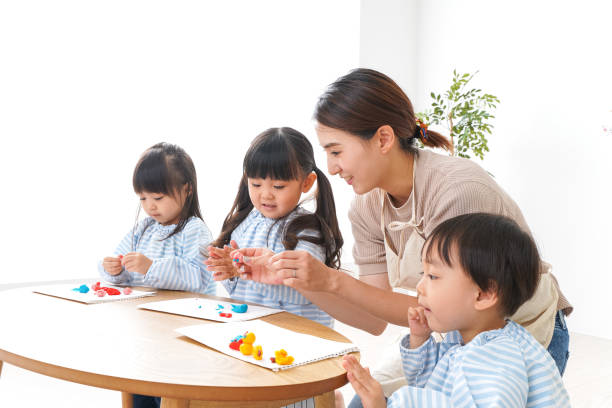
1. Unstructured Play (Free Play)
Unstructured play is child-led and spontaneous. It allows kids to explore their creativity without specific rules or objectives. Some examples include:
– Playing with building blocks or LEGOs
– Drawing or painting freely
– Role-playing as different characters
Benefits:
– Encourages independence and decision-making skills
– Boosts creativity and imagination
– Fosters emotional regulation by allowing children to express themselves
2. Structured Play
Structured play involves activities that have predefined rules or instructions, often led by adults or designed within specific parameters. Examples include:
– Board games like Candy Land or Monopoly Junior
– Organized sports such as soccer or basketball
– Dance classes or music lessons
Benefits:
– Teaches children about following rules and cooperation
– Enhances problem-solving skills through goal-oriented tasks
– Builds social skills through teamwork
3. Physical Play
Physical play involves movement-based activities that help children develop motor skills while promoting their overall health. Examples include:
– Running, jumping, climbing, or swinging at the park
– Riding bicycles or scooters
– Participating in obstacle courses
Benefits:
| Physical Benefits | Cognitive/Emotional Benefits | Social Benefits | |——————–|—————————–|—————-| | Improves strength and coordination | Stimulates brain development | Encourages teamwork | | Develops balance | Reduces stress levels | Builds peer relationships | | Enhances endurance | Boosts confidence/self-esteem | Fosters communication skills |
4. Pretend Play (Imaginative/Role Play)
Pretend play allows kids to explore their imagination while mimicking real-life scenarios. They may pretend to be doctors, teachers, chefs, or superheroes. Popular pretend play activities include:
– Playing house with dolls or action figures
– Dressing up in costumes
– Setting up imaginary shops (e.g., grocery stores)
Benefits:
1. Develops language skills as kids communicate their ideas
2. Expands problem-solving abilities through role adaptation
3. Improves empathy by exploring different perspectives
5. Social Play
Social play occurs when children interact with peers during cooperative activities like group games or collaborative projects.
Examples include:
1. Playing tag on the playground
2. Building puzzles together
3. Group storytelling activities
Benefits:
– Builds conflict-resolution abilities
– Encourages sharing and negotiation
– Strengthens friendships through bonding experiences
6. Independent Play
Independent play is when a child plays alone without guidance from adults or input from peers. Activities for independent play can include:
– Solving puzzles independently
– Engaging with sensory toys like sand tables
– Reading picture books quietly
This type of play allows children to understand boredom management while honing focus/concentration skills over time.
Recognizing these distinct forms empowers adults working alongside kids better tailor approaches based on needs/preferences leading holistic growth opportunities across developmental domains.
How an Indoor Playground Arlington TX Enhances Child Development Through ABA Therapy
Applied Behavior Analysis (ABA) therapy is widely recognized for its effectiveness in supporting children with developmental delays, particularly those on the autism spectrum. A core component of ABA therapy is the strategic use of play-based activities to facilitate learning and development. This integration of play not only makes therapy engaging for children but also offers a practical way to teach critical skills.
Play as a Teaching Tool in ABA Therapy
- Communication Skills: Through interactive games, children can learn how to express their needs, understand social cues, and develop conversational abilities.
- Social Interaction: Group play sessions encourage turn-taking, cooperation, and conflict resolution.
- Sensory Integration: Activities like building blocks or sensory bins help children process sensory information more effectively.
By using structured play scenarios, therapists align therapeutic goals with enjoyable activities that resonate with the child’s interests.
Types of Play in ABA Therapy
- Structured Play: Activities follow a specific set of rules or guidelines. For example, matching games or puzzles are often used to teach problem-solving skills.
- Free Play: The child leads the session while the therapist observes and intervenes when necessary. This approach encourages creativity and autonomy.
- Functional Play: Focuses on teaching purposeful actions, such as using a spoon during pretend kitchen activities.
Each type serves distinct purposes while contributing holistically to the child’s progress.
Goals Achieved Through Play-Based ABA Therapy
| Objective | Example Activity | Developmental Outcome |
| Improve Eye Contact | Peek-a-boo | Build joint attention |
| Enhance Language Skills | Role-playing conversations | Expand vocabulary and sentence formation |
| Foster Emotional Awareness | Identifying emotions in dolls | Increase empathy and self-regulation |
Collaboration with Parents
Parents are essential partners in reinforcing skills learned during therapy sessions. Therapists often coach families on incorporating similar play strategies at home to ensure consistency and maximize progress.
Some parent-supported activities might include: – Reading books together and discussing characters’ emotions – Playing simple board games to practice turn-taking – Encouraging outdoor physical games like tag or catch for motor skill development
By sharing techniques with caregivers, ABA therapy extends its benefits beyond clinical settings into everyday life.
Final Thoughts on Play in ABA Therapy
The thoughtful integration of play in ABA therapy creates a positive learning environment for children. It balances structured teaching with spontaneous exploration, ensuring that development feels both achievable and fun. By addressing communication barriers, fostering social engagement, and encouraging independence through playful interactions, this approach lays a strong foundation for lifelong growth.
Benefits of Pretend, Social, and Physical Play in a Child’s Life
Play is an essential part of childhood development that goes beyond entertainment. Pretend, social, and physical play each offer unique benefits that contribute to a child’s emotional, cognitive, and physical growth. Understanding how these types of play shape a child’s overall development is crucial for parents and educators.
Pretend Play: Fostering Creativity and Imagination
- Cognitive Development: Engaging in pretend scenarios helps children practice problem-solving skills by imagining solutions to different challenges or situations.
- Language Skills: During pretend play, kids often narrate stories or converse with imaginary characters. This enhances their vocabulary and communication abilities.
- Emotional Understanding: By pretending to be someone else (e.g., a doctor or teacher), children learn empathy as they imagine what it feels like to be in someone else’s shoes.
Examples of pretend play activities: | Activity | Skills Developed | |—————————|———————————–| | Playing house | Role-playing; social interaction | | Setting up a pretend shop | Math skills (counting money) | | Creating superhero stories| Creativity; confidence |

Social Play: Building Relationships and Collaboration
Social play involves interactions with peers or adults through group activities such as games or team-based tasks. It is crucial for teaching children how to navigate relationships and social norms.
Key benefits include: – Developing teamwork by learning how to cooperate with others during group activities. – Practicing conflict resolution skills, such as negotiating turns or resolving disagreements amicably. – Gaining a sense of belonging through shared experiences with friends.
Some examples of social play activities include: 1. Board games that require turn-taking. 2. Building collaborative structures like forts or LEGO cities. 3. Acting out plays or storylines with siblings or peers.
Physical Play: Enhancing Motor Skills and Overall Health
Physical play involves movement-based activities that promote fitness while improving motor coordination. This form of play is vital for both mental well-being and physical health.
Benefits: – Developing gross motor skills, such as running, jumping, and balancing. – Strengthening muscles while improving endurance through active movement. – Reducing stress levels by encouraging the release of endorphins during physical activity.
Examples of physical play activities: | Activity | Benefits | |—————————|———————————–| | Playing tag | Improves speed; cardio health | | Climbing playground equipment | Enhances balance; muscle strength| | Dancing | Boosts coordination; self-expression|
Integrating These Types of Play
Combining pretend, social, and physical elements in daily activities can maximize their developmental impact on children. For instance: – A game like “superhero tag” combines imaginative storytelling (pretend), collaboration (social), and active movement (physical).
Recognizing the importance of variety in play ensures children receive well-rounded opportunities that nurture their growth across multiple domains while keeping them engaged in enjoyable ways.
Cause and Effect Play: Building Problem-Solving Skills Through Fun Activities
Cause and effect play is a foundational aspect of early childhood development that helps children understand relationships between actions and outcomes. This type of play is not only engaging but also cultivates critical problem-solving skills, cognitive growth, and curiosity. By exploring cause-and-effect interactions, children begin to grasp fundamental concepts about how the world works. Below, we explore the benefits of cause-and-effect play, examples of activities, and strategies to incorporate it into everyday learning.
What is Cause-and-Effect Play?
- Pressing a button makes a toy light up.
- Dropping a ball causes it to bounce.
- Stacking blocks too high results in them toppling over.
These simple yet impactful activities allow children to predict outcomes based on their actions, fostering both logical thinking and experimentation.
Benefits of Cause-and-Effect Play
- Encourages critical thinking as children evaluate why something happened.
- Helps kids test theories and revise their approach when faced with challenges.
- Builds an understanding of patterns and sequences.
- Strengthens memory by associating specific actions with corresponding reactions.
- Teaches patience as they wait for an outcome (e.g., watching dominoes fall after being set up).
- Encourages resilience when things don’t work as planned.
- Enhances physical coordination through hands-on interaction (e.g., pouring water from one container to another).
Examples of Cause-and-Effect Activities
| Activity | Materials Needed | Learning Outcome |
| Building Domino Chains | Dominoes | Understanding sequences; patience |
| Balloon Rockets | Balloons, string, tape | Exploring force and motion |
| Water Play | Cups, funnels, containers | Experimenting with volume and flow |
| Musical Instruments | Drums, maracas | Connecting movement with sound production |
| Toy Cars on Ramps | Toy cars, ramps | Observing gravity and momentum |
Tips for Encouraging Cause-and-Effect Play
- Use Everyday Objects
Household items like spoons, bowls, or water bottles can create opportunities for exploration. For instance: - Show how water spills when tilted too far.
- Explore how banging different surfaces produces unique sounds.
- Ask Open-Ended Questions
Encourage your child to think critically by prompting them with questions such as: - “What do you think will happen if we push this?”
- “Why did that fall over?”
- Provide Freedom for Exploration
Allow children to experiment without rigid instructions. Let them make mistakes so they can learn from trial and error.
Cause-and-effect play lays the groundwork for advanced reasoning skills while keeping learning fun and interactive. By creating opportunities for your child to connect actions with results—even in simple ways—you’re nurturing their ability to think critically about their environment while enjoying meaningful experiences in playtime settings.
- Best Kids Birthday Party Venue Arlington TX: Stages of Play Explained
- How a Kids Indoor Playground Arlington TX Supports Child Development
- How a Kids Indoor Playground Arlington TX Helps Foster Social Skills and Emotional Growth
- Fun Ways to Boost Social Skills at a Kids Indoor Playground Arlington TX
- Find the Perfect Kids Birthday Party Venue in Arlington TX for Fun and Growth
- Discover the Best Kids Birthday Party Venue Arlington TX for Fun and Play
- How an Indoor Playground Arlington TX Supports Early Childhood Development and Growth
- How Kids Indoor Playground Arlington TX Helps Foster Physical, Social, and Cognitive Development in Children
- The Best Kids Birthday Party Venue Arlington TX: Combining Fun and Childhood Development